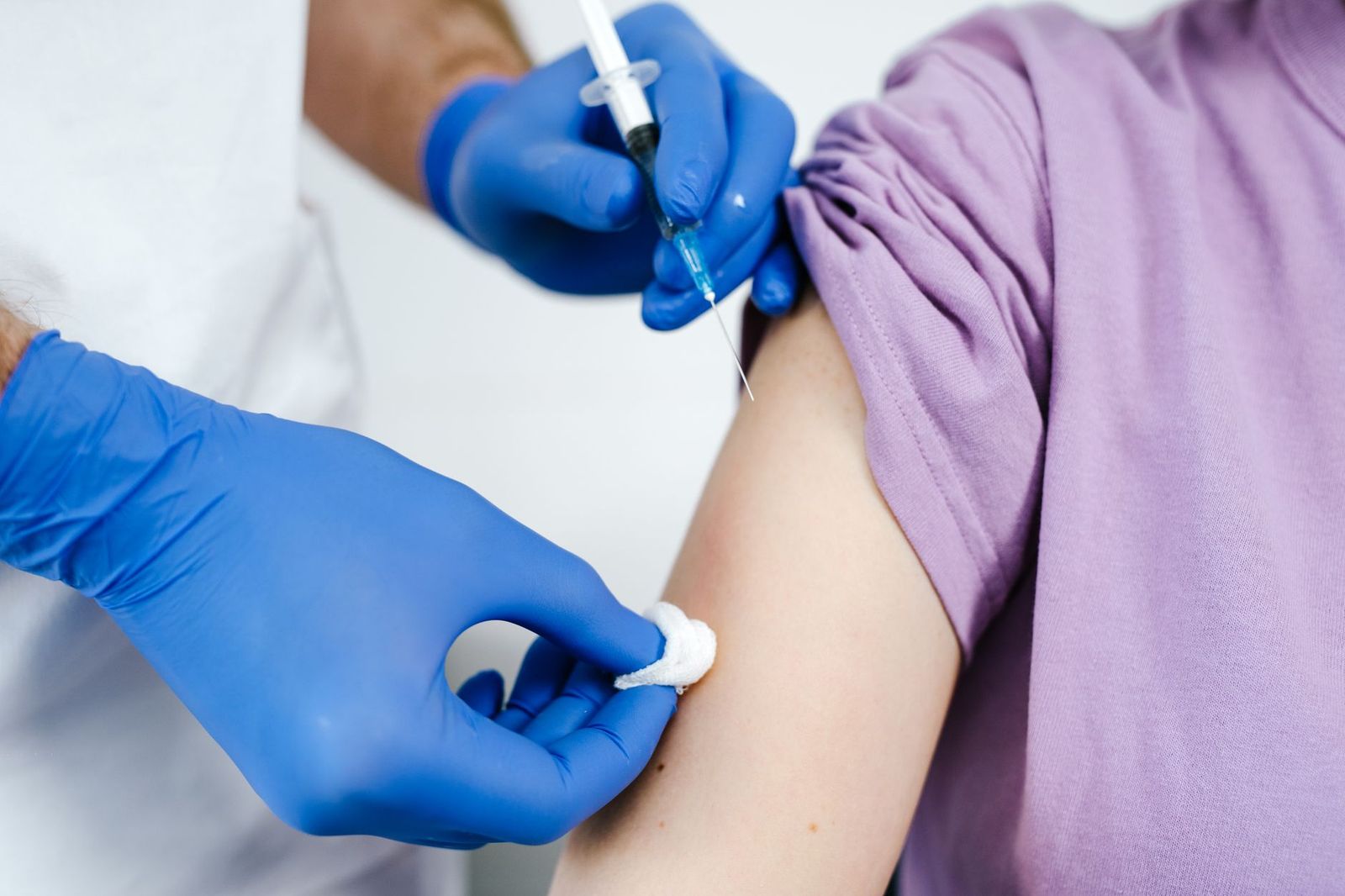
B12 shots can help with energy if your B12 level is low, because tiredness is a symptom of deficiency. If your level is normal, there is little evidence that extra B12 adds energy. A blood test shows which group you are in, and a provider can help you choose shots, pills or neither.
The promise is simple and tempting: one quick shot, and the afternoon slump goes away.
So do B12 shots work for energy? The honest answer depends on a number most people have never seen, which is their own B12 level. If it is low, replacing it can make a real difference. If it is normal, there is little evidence that more B12 does anything for your energy.
Below you will find why low B12 can make you tired, who is most likely to run low, how shots compare with pills, and a short self-check that tells you whether asking about a B12 blood test is worthwhile. It includes the outcome that says a shot is probably not for you.
Do B12 Shots Work for Energy? Yes If You Are Low, Rarely If You Are Not
B12 shots can improve energy when your B12 level is low, and there is little evidence that they do when it is normal. Cleveland Clinic's overview of what vitamin B12 injections can and cannot do puts it plainly. If your level is below normal, replacing it matters. If your level is normal, the family physician quoted there says taking additional B12 has not been found to be of benefit.
That distinction is the whole story. Low B12 can cause tiredness, so correcting it can bring energy back. A normal level is not a battery that more vitamin can charge. B12 is water soluble, and according to the National Library of Medicine's MedlinePlus encyclopedia, the amount your body does not use leaves in the urine. The body also stores a few years' worth in the liver.
Why Low B12 Can Make You Tired
Low B12 can make you tired because the vitamin helps form red blood cells and keeps the nervous system working. MedlinePlus lists anemia, weakness, numbness or tingling in the arms and legs and loss of balance among the effects of low levels. The UK's National Health Service adds extreme tiredness and a lack of energy to its list, along with pins and needles, a sore and red tongue, mouth ulcers, problems with vision and problems with memory, understanding and judgement. Some of these can occur even without anemia.
Tiredness on its own, though, points in many directions. Cleveland Clinic notes that the symptoms of low B12 can be very subtle or confused with other conditions, and that because B12 levels are not checked in routine blood work, a deficiency can go undetected for years. That is the argument for testing rather than guessing.
By mouth, B12 needs help from your stomach. A shot goes into muscle instead.
Intrinsic factor is a substance made in the stomach that helps the body absorb B12. Pernicious anemia, an autoimmune condition, destroys the cells that make it (MedlinePlus).
Who Is Most Likely to Be Low in B12?
The people most likely to run low are older adults, people who eat little or no animal food, people who have had stomach or intestinal surgery, and people with certain digestive conditions or pernicious anemia. MedlinePlus and Cleveland Clinic overlap closely on the list.
- Older adults. MedlinePlus lists people over 50 as a common risk group, while Cleveland Clinic cites those over 65, so the exact age depends on the source.
- Vegetarians and vegans. B12 occurs naturally in animal foods and is not present in plant foods unless they are fortified.
- Stomach or intestinal surgery, including weight loss surgery.
- Digestive conditions such as celiac disease or Crohn disease, and gastritis according to Cleveland Clinic.
- Pernicious anemia, where the body cannot absorb B12 efficiently from food.
- Certain medicines. The NHS names proton pump inhibitors and anticonvulsants, and Cleveland Clinic mentions heartburn medicine.
Diet alone is a less common cause than people assume. The NHS calls a diet-related deficiency uncommon, though it can happen on a vegan diet without supplements or fortified foods. Cleveland Clinic adds that most people get enough B12 from food.
Can You Get Enough B12 From Food?
Most people can. Cleveland Clinic says most people get enough B12 through diet alone, and MedlinePlus explains why animal foods dominate the list: B12 is naturally found in fish, meat, poultry, eggs, milk and milk products, and it is not present in plant foods unless they are fortified. Fortified breakfast cereals and some nutritional yeast products are the usual sources for vegetarians. The adult recommendation in the MedlinePlus entry is 2.4 micrograms a day for anyone age 14 and older, a small amount that a varied diet can cover.
That is also why a shot is rarely the first answer for a healthy eater. When someone is low despite eating well, the question becomes absorption, not intake, and that is where the stomach, the gut, certain conditions and certain medicines come in.
Each row is 20 people. UK figures from the NHS; rates in the United States may differ.
Source: NHS, "Vitamin B12 or folate deficiency anaemia." The figure covers B12 or folate deficiency together.
B12 Shots, Pills or Nothing: Which Makes Sense?
Which one makes sense depends on your level and on how well you absorb B12, and a provider should decide with you after testing. Cleveland Clinic says a provider may first try a dissolvable capsule or tablet or a nasal spray, and move to injections if those do not bring the level up enough. It adds that people sometimes have trouble absorbing B12 as they age, even from pills, which is when injections come into the picture. The NHS says B12 is usually given by injection at first, and then, depending on the cause, you either take tablets or continue regular injections.
| Option | Who it tends to suit | Worth knowing |
|---|---|---|
| Shots | People with low B12 who absorb it poorly, or whose level has not come up with other forms | Given into muscle, often every day or every other day at first, then less often. Some people need them long term. |
| Pills, dissolvable tablets or nasal forms | Often tried first when B12 is low | Your provider decides which form to use and for how long. |
| Nothing | People whose B12 level is normal | There is little evidence that extra B12 adds energy. |
Cleveland Clinic also addresses a common question: B12 shots on their own are not associated with weight loss.
Should You Ask for a B12 Test? A Quick Self-Check
Tap anything that applies to you. The tool lists what a conversation with a provider might cover, and it will tell you honestly when a shot is unlikely to help. It is educational, not a diagnosis, and nothing you choose is saved or sent anywhere.
Is a B12 conversation worth having?
Choose every statement that fits you right now.
Things that can make low B12 more likely
What you are noticing
Choose what applies
Your result appears here as you go.
What a B-12 Visit at Hideaway Looks Like
A B-12 visit at Hideaway starts with a conversation about your symptoms and history, because we would rather tell you a shot is unlikely to help than book it by default. If it makes sense for you, the injection goes into the upper arm with a fine needle and takes seconds. Some guests notice a dull ache at the site for a few hours afterward, similar to any intramuscular injection. A common rhythm described on our B-12 injections page is weekly while levels are being rebuilt, then monthly to maintain, adjusted to how you feel. If you do not know your level, ask your primary care provider whether a blood test is a good first step.
Low energy usually has more than one cause, and our B-12 page notes that hormones are worth a look as well. If you want to read more, our guides cover the signs of low testosterone in men and the signs you might need hormone therapy. If you are comparing providers for any of this, our guide on how to choose a med spa lists what to ask. You can also browse our full service menu.
When to Talk to a Doctor First
See a doctor first if you have numbness, tingling, balance problems or memory changes, or if you think you may be deficient. The NHS says deficiency can often be diagnosed from your symptoms and a blood test, and that it matters to diagnose and treat it early, because although many symptoms improve with treatment, some problems can be irreversible. Cleveland Clinic similarly warns that untreated deficiency can lead to nervous system damage that cannot be reversed.
For a tired but otherwise well person with no risk factors, the most useful step is usually not a shot. It is a conversation with a provider about sleep, health history and which tests are worth doing.
- B12 shots can help energy when B12 is low, and there is little evidence they help when it is normal.
- Older adults, people who eat little or no animal food, and people with certain digestive conditions or surgeries are more likely to run low.
- A blood test is how you find out. B12 is not part of routine blood work.
- Pills or nasal forms are often tried before shots.
- Numbness, tingling or balance problems need a medical evaluation, not a quick fix.