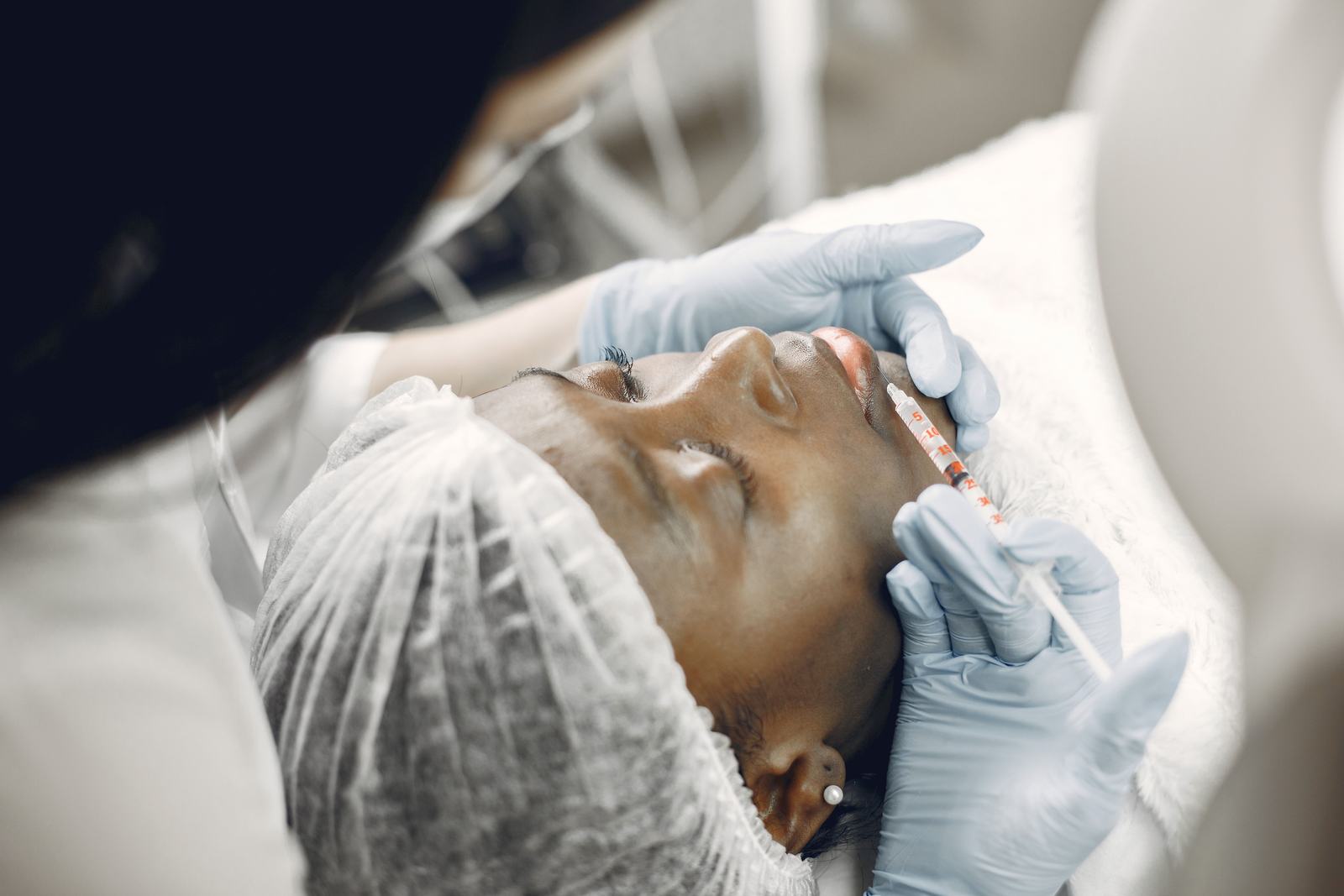
Almost nobody searches this before their appointment. Everybody searches it on day two.
You looked in the mirror, your lips are bigger than you asked for, one side sits higher than the other, and there is a firm little lump you can feel with your tongue. It is two in the morning and you are convinced something went wrong.
Here is the reassuring truth: that is the normal peak, not a bad outcome. Lip filler swelling follows a fairly predictable arc, and understanding it turns a stressful week into an uneventful one. Below is the full day by day timeline, plus the short list of things that genuinely warrant a call.
The Short Answer
- Swelling peaks at day two to three, not on the day of treatment.
- Most visible swelling is gone by day seven.
- Final settled results show at two to four weeks.
- Lumps, bumps and mild asymmetry during the first two weeks are normal and usually resolve on their own.
- Do not judge your result, book a correction, or panic before the two week mark.
The Day by Day Timeline
Day of treatment
Immediately after, your lips look fuller than the final result and feel tender. Some redness and small raised marks at the injection points are expected. Many people look genuinely good on day one, which creates a false sense of security about what tomorrow brings. Ice gently, sleep with your head slightly elevated, and skip the gym.
Days 2 to 3: peak swelling
This is the stage that sends people to the internet at midnight.
Lips can feel tight, firm and slightly numb. Bruising, if you get it, often looks worse now than it did on day one because blood is settling toward the surface. Asymmetry is extremely common at this stage because the two sides simply do not swell at the same rate. None of this predicts your final shape.
Days 4 to 5: the turn
The corner. Tightness eases, your lips start feeling like part of your face again, and the sharpest swelling begins draining away. Bruises shift toward yellow or green as they heal. Most people feel comfortable in public again around here, though they may still notice fullness others do not see.
Days 6 to 7: mostly settled
Visible swelling is largely resolved for most people. Shape and definition start reading as intentional rather than puffy. Small firm areas may still be palpable if you press, which is normal while the product integrates with your tissue. This is when photos start looking like the result you wanted.
Weeks 2 to 4: the true result
Residual swelling finishes resolving, any remaining small lumps soften, and hyaluronic acid filler finishes drawing in water and settling into place. What you see at four weeks is your actual outcome. This is the correct moment for a follow up assessment, and the only fair moment to decide whether you want more volume, a shape refinement, or nothing at all.
| Stage | Expected | What to do |
|---|---|---|
| Day 0 | Full, tender, small injection marks | Gentle ice, head elevated, no gym |
| Days 2 to 3 | Peak swelling, uneven sides, bruising may darken | Nothing. Stay off the mirror and wait |
| Days 4 to 5 | Tightness easing, bruises changing color | Resume normal routine, keep hydrating |
| Days 6 to 7 | Shape emerging, minor firmness on pressure | Gentle massage only if your injector advised it |
| Weeks 2 to 4 | Final settled result | Follow up assessment and any refinement |
Why Lips Swell So Much More Than Other Areas
It feels disproportionate because it is. Lip tissue has a rich blood supply, sits loosely over muscle rather than being bound down tightly, and is highly reactive to being touched at all. Add hyaluronic acid, a molecule that attracts and holds water, and you have tissue built to puff.
That water-loving quality is exactly why the filler works, and exactly why the first few days overshoot. The FDA's guidance on soft tissue fillers lists swelling, bruising and tenderness among the expected temporary effects of treatment, alongside the rarer risks worth knowing about before you book.
How to Reduce Swelling
- Ice gently in the first 24 hours, wrapped, a few minutes at a time. Never press hard or hold ice directly against the skin.
- Sleep with your head elevated for the first two or three nights so fluid drains away rather than pooling overnight.
- Skip strenuous exercise for 24 to 48 hours. Raised heart rate and blood pressure make swelling worse.
- Avoid alcohol for a day or two before and after. It thins blood and reliably increases bruising.
- Skip heat. Saunas, hot yoga, steam rooms and sunbeds all worsen swelling in the first few days.
- Drink water and go easy on salt. Neither is magic, but dehydration and a very salty week do not help.
- Leave them alone. Do not massage, poke or press unless your injector specifically told you to.
If you are planning around an event, book at least two weeks ahead. Three is better. Nobody has ever regretted extra buffer, and plenty of people have attended a wedding at peak swelling.
Does the Type of Filler Change How Much You Swell?
Somewhat. Nearly all lip filler is hyaluronic acid, but formulations differ in how thick they are and how strongly they attract water. Softer, lighter products designed for subtle hydration and definition generally produce less dramatic swelling than firmer, more structural gels used for significant volume.
Technique matters at least as much as product. The volume placed in one session is the biggest single driver: a full syringe in one visit swells noticeably more than half a syringe. Cannula work often bruises less than needle work because a blunt cannula pushes vessels aside rather than piercing them, though a skilled injector gets good outcomes either way.
Your own biology finishes the story. Some people bruise if you look at them wrong. Others go through a full syringe and look presentable the next morning. Neither says anything about the quality of the work.
Bruising, and How to Handle It
Bruising is not the same thing as swelling, and it follows its own timeline. A bruise typically appears within a day, darkens through days two and three, then fades through yellow and green over roughly a week to ten days.
You can lower the odds before you ever sit down. With your doctor's approval, avoiding blood thinning supplements such as fish oil, high dose vitamin E, ginkgo and high dose garlic for about a week beforehand helps, as does skipping aspirin and anti-inflammatories like ibuprofen if your physician says it is safe to pause them. Never stop a prescribed medication on your own for a cosmetic appointment. Alcohol the night before is a reliable way to guarantee a bruise.
Afterward, gentle cold in the first day helps, and arnica is popular though the evidence for it is mixed. Once any broken skin has closed, a mineral based concealer covers the rest. Do not apply makeup over fresh injection points on the first day, since those tiny openings are a route for bacteria.
When to Actually Call Your Provider
Normal recovery is uncomfortable and briefly unflattering. Genuine complications are rare, but they are time sensitive, so know the difference.
Call promptly if you notice skin that turns white, dusky, grey or mottled, pain that is severe or escalating rather than easing, a blotchy or lace-patterned discoloration spreading beyond the lip, or any change in your vision. Those can indicate a vascular complication, which is uncommon but needs immediate attention. Also call for signs of infection appearing days later: increasing warmth, spreading redness, pus, or fever.
What does not need an urgent call: lumpiness in week one, uneven swelling, bruising, tenderness, or feeling like you got too much on day two. Those are the ordinary middle of the process.
Why the Two Week Rule Exists
Almost every reputable injector will refuse to make changes before the two week mark, and it is worth understanding why rather than reading it as a brush off.
Adding product into tissue that is still inflamed means guessing at a shape that has not appeared yet. What looks like a deficit on day five is frequently just uneven swelling that resolves by day twelve. Correcting it early risks overfilling an area that was never actually short, and the correction for that is dissolving the filler and starting again.
The same logic applies in the other direction. People who decide on day three that they hate their lips and want them dissolved almost always feel differently at week three. Waiting costs nothing except patience, and it prevents the majority of regret.
Judging Your Result Fairly
The single most common mistake is deciding at day three that the work is wrong. At day three you are not looking at filler, you are looking at inflammation. Give it the full two to four weeks, then assess in good daylight, at rest and smiling.
If at that point you want a refinement, that is a normal conversation and a good injector expects it. Our approach to lip filler in Peculiar is conservative on purpose: build gradually, assess at the follow up, and add later if you want more, because adding is easy and over-filled lips are a much harder problem to walk back. If you are still deciding, ask us your questions first and come in when you are ready.