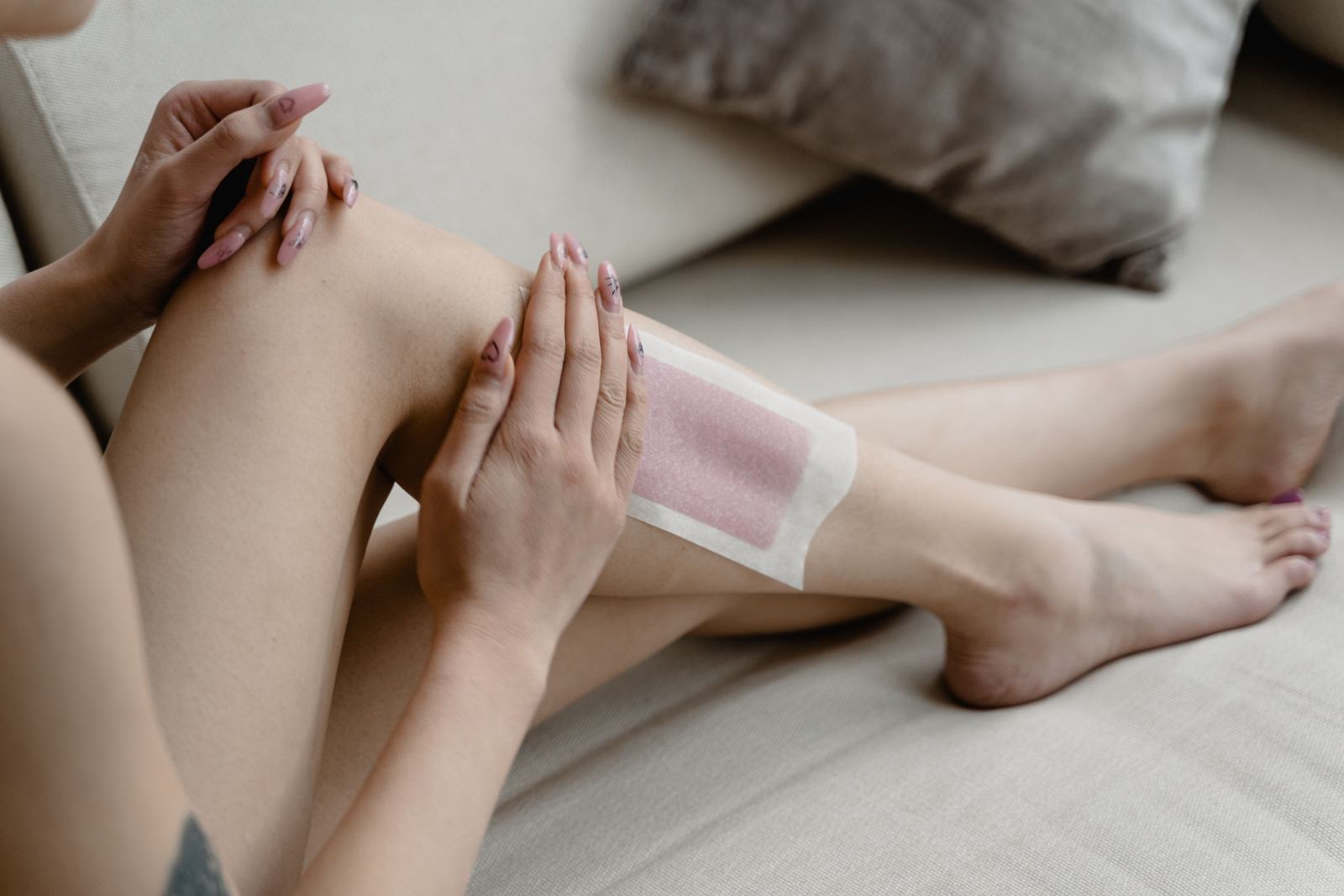
Sugaring is sugar, lemon juice and water. Waxing is a resin based formula. Both remove hair from the root, and both leave you smooth for weeks.
The internet will tell you sugaring is dramatically less painful, causes no ingrown hairs, and is better in every way. That is oversold. It will also tell you sugaring is just waxing with extra steps, which is equally wrong.
There are genuine, practical differences, and for certain skin and certain areas they matter a great deal. Here is an honest comparison from a studio that offers both.
The Short Answer
- Sugar paste is applied against hair growth and removed in the direction of growth.
- Wax is applied with growth and removed against it.
- Sugar is water soluble, applied close to body temperature, and only adheres to hair and dead skin.
- Wax is faster over large areas and grips coarse, dense hair more efficiently.
- Sugaring often suits sensitive or reactive skin better. Waxing often suits speed and coarse hair better.
The Direction of Removal Is the Real Difference
Almost everything else follows from this one point, so it is worth understanding properly.
With waxing, the wax is applied in the direction the hair grows and then pulled off against that direction. That means the hair is yanked backwards through the follicle. It is highly effective, and it is also why waxing occasionally causes hair breakage at the surface and, in some people, more irritation of the follicle itself.
With sugaring, the paste is worked against the direction of growth so it seeps around the base of each hair, then flicked off in the same direction the hair grows. The hair leaves the follicle the way it came in. Practitioners argue this reduces breakage and treats the follicle more gently, which is the basis of the claim that sugaring produces fewer ingrown hairs.
Is that claim proven? Not rigorously, but the mechanism is logical and plenty of clients with a history of ingrown hairs report a genuine improvement after switching. Worth trying if that is your specific problem.
Temperature and Stickiness
Sugar paste is used at roughly body temperature or slightly warm. Wax is applied warm, and while a properly maintained pot is never dangerously hot, the difference is noticeable on delicate skin and it removes any risk of a burn from an overheated pot.
The second practical difference is what each substance sticks to. Sugar paste adheres to hair and dead surface skin but not to living skin. Wax adheres to skin as well as hair, which is what can cause lifting or irritation when an area is worked over more than once.
That matters most for people whose skin is already compromised or reactive, and it is the strongest technical argument for sugaring on very sensitive skin. It also means sugar paste can safely be applied over the same area more than once in a session, whereas repeated waxing over one spot is where irritation usually comes from.
Head to Head
| Factor | Sugaring | Waxing |
|---|---|---|
| Ingredients | Sugar, lemon, water | Resin based formula, various additives |
| Temperature | Body temperature or slightly warm | Warm |
| Removal direction | With hair growth | Against hair growth |
| Adheres to | Hair and dead skin only | Hair and living skin |
| Minimum hair length | About 1/8 inch | About 1/4 inch |
| Speed on large areas | Slower | Faster |
| Coarse dense hair | Effective | Often more efficient |
| Cleanup | Water soluble, rinses away | Needs an oil based remover |
| Results last | 3 to 5 weeks | 3 to 5 weeks |
Does Sugaring Actually Hurt Less?
Somewhat, for many people, but the difference is smaller than the marketing suggests. Both remove hair from the root, and that is inherently a sharp sensation.
Where sugaring has a real advantage is that it does not grip living skin, so you are not also pulling at the skin surface itself. Clients frequently describe the sensation as less harsh rather than genuinely painless. Anyone promising a comfortable experience is overselling.
The far bigger variables in how much it hurts are your practitioner's technique and speed, whether your hair is the right length, where you are in your menstrual cycle if that applies, and whether it is your first time. A skilled waxer will be more comfortable than an inexperienced sugarist, every time.
The Hair Length Advantage
One genuinely practical benefit of sugaring: it grips shorter hair. Sugar paste can typically remove hair from around an eighth of an inch, whereas wax usually needs closer to a quarter inch to get a reliable grip.
In real terms that means less time spent growing hair out between appointments, which is the part of the process most people dislike. It also makes sugaring more forgiving if you shaved more recently than you meant to before booking.
Which to Choose for Which Area
For intimate areas including Brazilians, both work well. Hard wax remains the standard for men's Brazilian services because coarse, dense hair is removed efficiently and quickly. Sugaring is an excellent alternative for anyone with sensitive skin or a history of post wax irritation in those areas.
For legs and other large areas, waxing is usually faster, which matters when you are covering a lot of ground. Sugaring is entirely capable, it simply takes longer.
For the face, including upper lip and brows, sugaring is often preferred because facial skin is delicate and because sugar paste does not lift living skin. This is particularly relevant for anyone using retinoids or acids, though both methods require pausing those products beforehand.
For underarms, both work well and the choice is mostly personal preference.
How to Prepare, Whichever You Choose
Preparation affects your comfort more than the choice between methods does, and the requirements are nearly the same for both.
- Get the length right. Around a quarter inch for waxing, an eighth for sugaring. Too short and neither can grip, which means repeated passes and more discomfort.
- Exfoliate two days before, not the same day. It loosens dead skin and helps prevent ingrown hairs, while same day exfoliation leaves skin too sensitive.
- Skip lotions and oils on the area the day of your appointment, since they interfere with adhesion.
- Pause retinoids and acids for several days beforehand. This is not optional. Those products thin the surface layer, and skin treated with them can lift during hair removal.
- Mention your medications. Isotretinoin, certain antibiotics and some topical treatments all matter, and some mean postponing entirely.
- Time it sensibly if you are prone to sensitivity around your menstrual cycle, when pain tolerance often runs lower.
Aftercare Is Identical
Whichever you choose, the follicles are briefly open afterward and the care is the same.
For 24 to 48 hours, avoid hot tubs, saunas, steam rooms, swimming, tanning and strenuous exercise. Heat, sweat and friction are what turn a clean result into an irritated one. Wear loose clothing. Some redness and small bumps for a day or two are normal.
From around day three, gentle exfoliation two or three times a week is the single most effective thing you can do to prevent ingrown hairs, alongside keeping skin moisturized with something fragrance free. The American Academy of Dermatology's overview of hair removal methods is a solid neutral reference on how the various options compare.
Both methods produce the same long term benefit: with consistent appointments every four to five weeks, hair grows back finer and sparser over time, and sessions become quicker and more comfortable.
What About Doing It at Home?
Home sugaring kits are widely available, and sugar paste is genuinely more forgiving than wax for a beginner. It is water soluble, so a mistake rinses off rather than requiring an oil based remover, and there is no risk of overheating a pot to a temperature that burns.
That said, technique is the whole game with either method. The flick used to remove sugar paste is a specific motion, and getting it wrong produces bruising, broken hairs and a genuinely unpleasant experience. Holding skin taut correctly is difficult on yourself, and impossible on areas you cannot see clearly.
For legs and arms, a determined person can learn to manage at home. For intimate areas, the face, and anywhere the skin is delicate or the angle is awkward, the case for a professional is strong. The difference between a comfortable appointment and a painful one is largely speed and hand placement, and those come from doing it hundreds of times.
How to Decide
Choose sugaring if your skin is sensitive or reactive, you get ingrown hairs regularly, you are treating delicate facial areas, you prefer a short ingredient list, or you would rather not grow hair out as long between appointments.
Choose waxing if you are covering large areas and want speed, your hair is particularly coarse and dense, or you already get consistently good results from it. There is no reason to switch away from something that is working well for you.
We offer both waxing and sugaring at our Peculiar studio precisely so the recommendation can be based on your skin rather than on what we happen to provide. If you are a man considering an intimate service, our men's Brazilian wax page covers what to expect in detail. Clients come to us from Raymore, Belton, Harrisonville and across the south Kansas City metro, and we are happy to answer questions before you book anything.