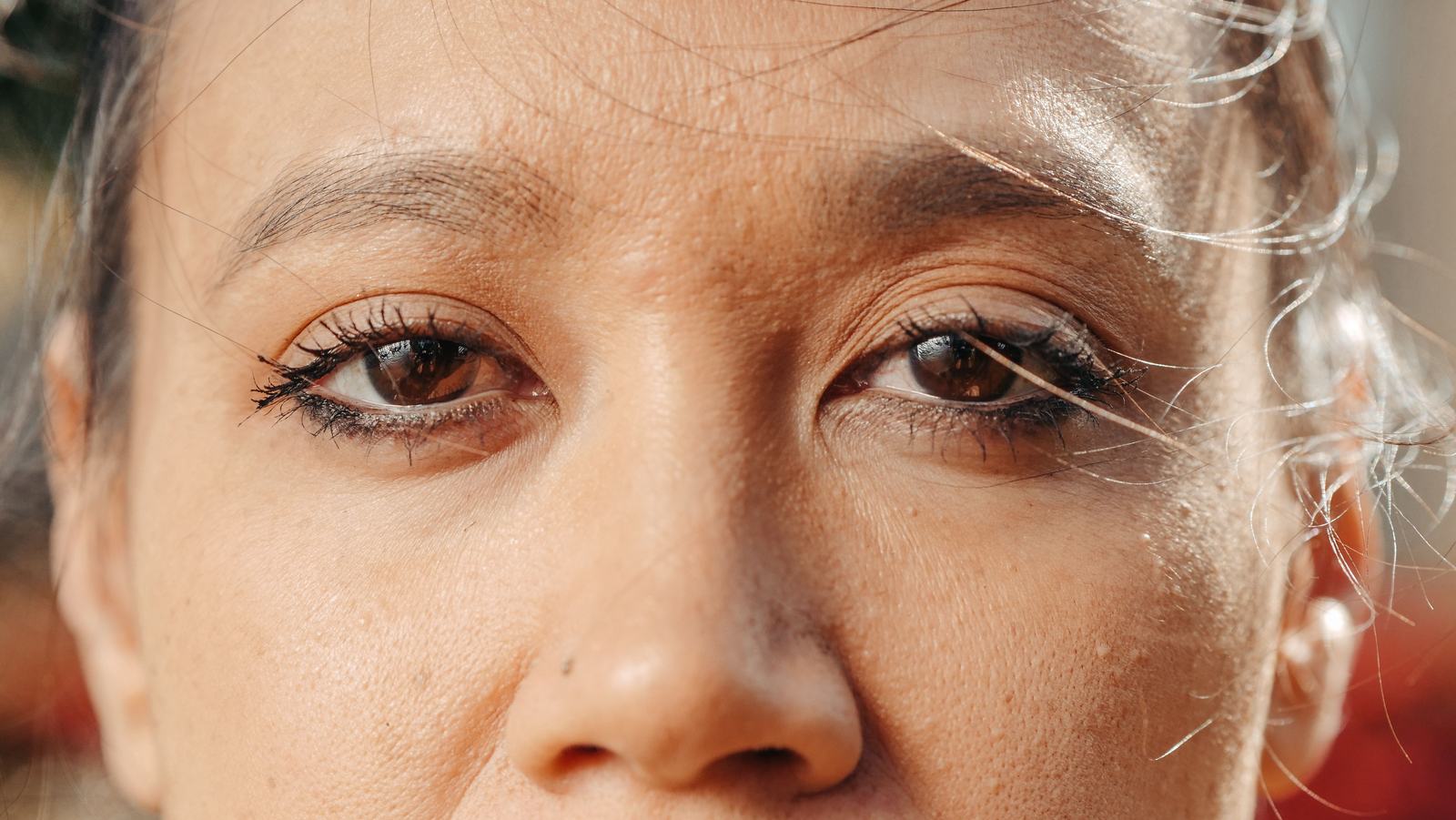
The eyelid is the thinnest skin on the body, and it is usually the first place that shows its age.
For decades the only meaningful answer to a hooded, heavy upper lid was surgical blepharoplasty. Plasma treatment offers a different route: tightening that loose skin without a scalpel, stitches, or a general anesthetic.
It is a genuinely effective treatment for the right candidate. It also involves a recovery week that is more visible than most people expect from something labeled non surgical, and that deserves to be understood before you book rather than discovered afterward.
The Short Answer
- A device creates a tiny plasma arc that makes precise micro dots on the skin surface.
- The treated skin contracts instantly, and healing drives collagen production underneath.
- No cutting, no stitches, and it is performed with topical numbing.
- Expect about a week of visible crusting. This is the trade off for skipping surgery.
- Results commonly last one to three years, though the skin continues aging normally.
How Plasma Treatment Actually Works
The device never touches your skin. It ionizes the gas in the tiny gap between its tip and the surface, creating a small plasma arc. Where that arc meets the skin it produces a precise, superficial point of controlled thermal injury, roughly the size of a pinpoint.
Two things follow. Immediately, the tissue between and around those points contracts, which produces a visible tightening you can often see during the appointment itself. Then, over the following weeks, the healing response stimulates fresh collagen and elastin in the layer beneath, which continues firming the area well after the surface has healed.
A practitioner works in a deliberate pattern of dots across the loose skin, spacing them so that healthy tissue remains between each point. That spacing is what allows rapid healing and is a large part of the skill involved. Too aggressive a pattern risks scarring and pigment change, which is why who performs this matters a great deal.
What It Treats Well
Upper eyelid hooding is the signature use, and where it produces the most satisfying change: the skin that drapes over the crease and can make eyes look tired or heavy, sometimes catching eyeshadow or interfering with liner.
It also works on crepey lower eyelid skin, fine lines around the eyes, and similar textured, lax skin elsewhere on the face such as around the mouth. The common thread is loose, thin, crepey skin rather than volume loss or muscle movement.
Understanding that distinction prevents disappointment. Lines caused by muscle contraction are a neuromodulator concern. Hollowing under the eye is a volume concern. Loose, draping skin is what plasma treatment addresses, and treating the wrong one of the three is a common and expensive mistake.
The Recovery, Honestly
This is the part that should decide your scheduling, and it is where people are most often underprepared.
- Days 1 to 3. Swelling, often significant around the eyes, and frequently worse on the second morning. Small dark dots are clearly visible. Many people take a few days away from work or social plans.
- Days 4 to 7. Swelling subsides and the dots begin flaking away naturally. The area may itch, which is normal healing and must not be scratched.
- Week 2. Most or all crusting has gone. Fresh pink skin underneath is normal and settles over subsequent weeks.
- Weeks 3 to 12. Collagen remodeling continues quietly. The tightening you saw immediately keeps improving through this period.
Strict sun protection during healing and for months afterward is not optional. Freshly healed skin is highly vulnerable to pigment change, and sun exposure at the wrong moment is the most common cause of a disappointing cosmetic outcome. Plan this treatment for a period when you can genuinely stay out of strong sun.
How Long Results Last
Because plasma treatment removes a small amount of surface tissue and stimulates new collagen, the change is durable rather than temporary. Reported longevity commonly falls in the one to three year range, and some practitioners describe results on the upper lids as lasting considerably longer.
The honest framing is this. The tightening achieved does not simply reverse, but your skin keeps aging at its normal rate from that new starting point. Genetics, sun exposure and smoking all influence how quickly new laxity develops. Many people find a single course holds for years, while others choose a maintenance session periodically.
One session is not always enough. Significant hooding often needs two, occasionally three, spaced roughly eight to twelve weeks apart so healing and remodeling can complete between them. A practitioner promising a dramatic single session result on substantial hooding is either planning to work too aggressively or overselling.
Who Should Not Have This Treatment
Candidacy matters more here than with most aesthetic treatments, because the risks of getting it wrong are pigment change and scarring rather than simply a weak result.
Deeper skin tones carry a meaningfully higher risk of post inflammatory hyperpigmentation, and any practitioner who does not raise this with you is not being thorough. It does not automatically rule the treatment out, but it requires an experienced provider, a cautious approach, and a frank conversation about risk.
Other reasons to postpone or avoid it include pregnancy and breastfeeding, active infection or inflammation in the area, a history of keloid scarring, recent isotretinoin use, certain autoimmune conditions, and an inability to stay out of the sun during healing. Recent injectables in the area usually mean waiting a couple of weeks.
There is also a straightforward anatomical limit. If the heaviness of your upper lid comes largely from brow descent rather than excess eyelid skin, tightening the lid will not fix the underlying problem. And where there is a substantial amount of excess skin, surgical blepharoplasty remains the more appropriate answer. A good consultation identifies which of these you are dealing with before anything is booked. The American Academy of Dermatology offers a useful overview of how the various categories of wrinkle and laxity treatment compare.
What the Appointment Is Like
The visit itself is longer than the treatment. Numbing cream goes on first and needs a solid thirty to forty five minutes to fully take effect in this area, and that wait is not a step to rush.
Once numb, the practitioner works methodically across the treatment area, placing the dot pattern. Most people describe the sensation as a series of small hot pinpricks, uncomfortable but manageable, with a distinct smell that catches people off guard the first time. The upper lids typically take fifteen to thirty minutes of actual working time.
Immediately afterward the area looks red, feels hot, and the dot pattern is clearly visible. Many people can see some tightening straight away, which is encouraging, though swelling soon obscures it. You go home with specific aftercare instructions and, usually, a recommended barrier ointment.
Plan your logistics before you book. Arrange a ride if your vision feels affected by swelling, keep the following few days clear, and do not schedule this within a month of anything you want to look your best for.
Comparing It to the Alternatives
For heavy upper lids there are really three routes, and they suit different situations.
Surgical blepharoplasty removes excess skin, and sometimes fat, through an incision hidden in the natural crease. It achieves the most dramatic and longest lasting result and is the right answer where there is substantial excess. It also involves surgery, a surgeon, sutures and a longer overall recovery.
Plasma treatment sits in the middle. It handles mild to moderate hooding without cutting, at a lower cost and with a shorter, though very visible, recovery. For the right candidate it delivers a genuinely satisfying change.
Neuromodulators can produce a subtle brow lift by relaxing the muscles that pull the brow down, which sometimes creates a lighter looking lid without touching the lid at all. Where brow position rather than excess skin is the real cause of heaviness, this is the more appropriate first step, and it is far less invasive than either of the other options.
Choosing a Provider
This is a treatment where technique determines outcome to an unusual degree. The device is doing controlled damage in the most delicate skin on the face, millimeters from the eye.
Ask how long they have performed it, how many they do, and to see healed results at three months rather than glossy day one photos. Ask specifically what they do if a client's pigment changes during healing. A practitioner who describes complications comfortably and openly is a better sign than one who claims never to have seen any.
If you want a straight assessment of whether your eyelids are suited to this, our Plasmage treatment consultations in Peculiar begin by establishing whether your concern is excess skin, brow position or volume, because only one of those has this as its answer. Patients come to us from Raymore, Belton, Harrisonville and across the south Kansas City metro. Get in touch and we will tell you honestly, including when the answer is that you would be better served elsewhere.