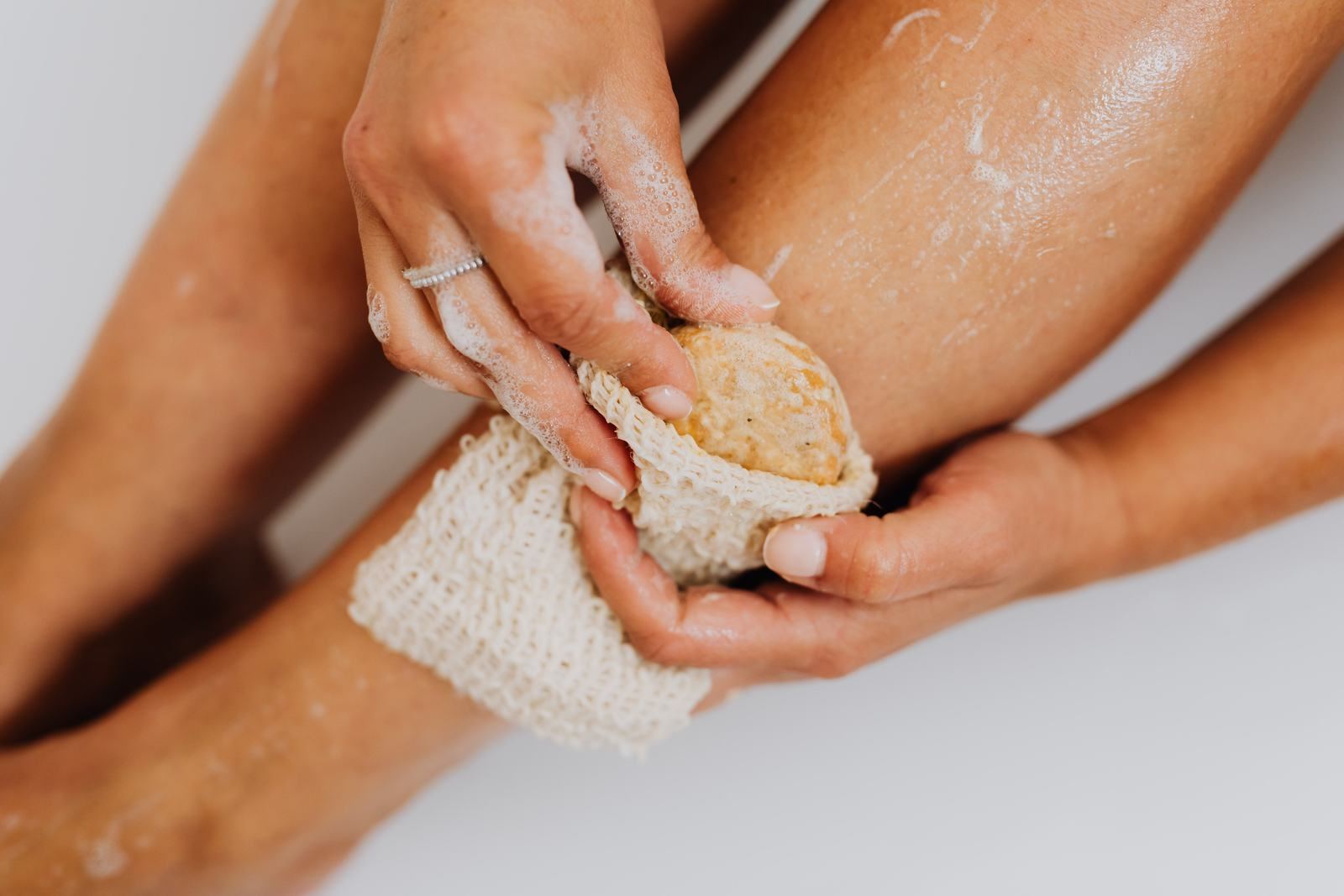
You can lower the odds of ingrown hairs after waxing, but not remove them. Keep skin calm for the first day or two, start gentle exfoliation once any redness has settled, leave bumps alone instead of picking, and see a provider for pus, growing pain or heat. Thick or curly hair raises the risk.
Ingrown hairs after waxing are common enough that many people expect them. The honest news is that you can lower the odds, but you cannot promise yourself a bump-free wax.
Waxing pulls the hair out and leaves the follicle in place. Cleveland Clinic explains that waxing, shaving and tweezing only remove hair strands, and that a new hair may curl back and enter the skin, more commonly if hair is thick, curly or coarse. Knowing that makes it easier to judge which prevention steps are worth your time.
Below you will find what causes the bumps, a seven step plan to prevent ingrown hairs after waxing, a plan check you can try, how to tell an ingrown hair from normal redness or something a provider should see, and when it makes sense to change methods.
Why Ingrown Hairs Happen After Waxing
Ingrown hairs happen when a regrowing hair turns back into the skin instead of growing out, and waxing is one of several hair removal methods that can set that up. Cleveland Clinic says anyone who shaves, tweezes or waxes can get them, and that you are more likely to if you have skin of color or thick, coarse or curly hair. The UK's National Health Service (NHS) likewise says waxing, plucking and threading can lead to them, and that coarse or curly hair makes them more likely.
They show up as itchy or painful bumps, sometimes with a hair visible in the middle, and the skin around them can look red, brown or purple. Cleveland Clinic lists the legs, armpits and pubic area, including the bikini line and inner thigh, among the most common places.
One thing is easy to confuse with an ingrown hair and is not one. The American Academy of Dermatology says newly waxed skin can be red and irritated for a short while afterward. That is a normal reaction, and it needs calm, not treatment.
Waxing removes the hair strand. The follicle stays, and the next hair has to find its way out.
A simplified drawing. Cleveland Clinic says waxing, shaving and tweezing remove hair strands but not follicles.
How to Prevent Ingrown Hairs After Waxing: A Seven Step Plan
Prevention comes down to prep, calm skin for the first days, gentle exfoliation once skin has settled, and leaving bumps alone. No routine removes the risk, but these steps are the ones the sources support.
- Say what is on your skin. The AAD says waxing is not recommended if you take isotretinoin or took it in the past six months, use an antibiotic, or apply tretinoin, because these thin the skin and it could tear. Tell your aesthetician about retinoids and anything else that sensitizes skin. Hideaway's waxing page asks the same.
- Prep gently. Hideaway's waxing page suggests exfoliating gently a day or two beforehand and arriving with clean skin, free of heavy lotions or oils. It also asks for hair about a quarter inch long, roughly a grain of rice, so there is enough to grip.
- Choose hygiene you can see. The AAD says estheticians should apply wax with a wooden stick and use a fresh one for every dip, because heated wax is not hot enough to kill bacteria. A bump that is really an irritated or infected follicle is a different problem, and hygiene is how you avoid it.
- Keep the first day or two calm. Hideaway's guides suggest skipping hot tubs, saunas, swimming and hard workouts for the first day or two, and wearing loose, breathable clothing so nothing rubs. That is practical advice rather than trial evidence.
- Exfoliate gently once redness settles. Cleveland Clinic says exfoliating removes a layer of dead skin cells and helps release ingrown hairs, using warm, not hot, water and small circular motions. The NHS also suggests an exfoliating scrub to help release trapped hairs. Our men's Brazilian guide suggests starting around day three, two or three times a week.
- Moisturize, and do not pick. Hideaway's guide suggests a fragrance free moisturizer. Cleveland Clinic and the NHS both say not to scratch, pick or squeeze bumps, because it can lead to infection or scarring.
- Do not stack methods. Cleveland Clinic lists shaving, waxing and tweezing as separate causes of ingrown hairs, and the NHS says the best way to prevent them is not to shave. Mixing methods on the same area means carrying each method's risk.
What the evidence does and does not say
The sources agree on gentle exfoliation and on not picking. They do not test waxing aftercare routines against each other, and none we read gives an exact day to begin exfoliating, so "around day three" is a sensible guideline rather than a study result. Claims about specific acids, serums or oils are mostly not backed by the sources we cite, so we left them out. If a routine already works for you, keep it.
A Quick Prep and Aftercare Plan Check
Tick the steps you already follow. The check tells you what is worth adding first, and says plainly when you are already covered and the next step is a conversation instead of more products. Nothing you select is saved or sent anywhere.
Is your plan covered?
Nine steps, in three stages. Tick what you already do.
What to Do If You Already Have a Bump
Leave it alone, apply a warm compress, and exfoliate gently once the skin is calm. Most ingrown hairs clear on their own. Cleveland Clinic suggests a warm compress for 10 to 15 minutes to open pores and help the hair release, and says most go away within a few days, with severe cases taking several weeks.
| What you see | What it may be | What to do |
|---|---|---|
| Even redness or irritation across the waxed area in the first hours or day | A normal reaction. The AAD says newly waxed skin can be red and irritated for a short while. | Keep skin calm and clothing loose. Nothing to treat. |
| A few itchy or tender bumps, sometimes with a hair visible or trapped | Ingrown hairs. The NHS describes raised, itchy bumps, sometimes with a trapped hair. | Warm compress for 10 to 15 minutes, gentle exfoliation once calm, no picking (Cleveland Clinic). |
| Bumps getting bigger and more painful, with pus or discoloration | Possible infection. Cleveland Clinic says infection can lead to scarring. | See a healthcare provider. |
| An area that is very painful, hot or swollen, or you feel feverish or unwell | Signs the NHS says to get medical help for. | Get medical help promptly. |
| Bumps in the same spots after every wax | A pattern worth discussing. | Ask your aesthetician about technique, hair length or method, and ask a provider about longer-term options. |
Cleveland Clinic also describes gently freeing a hair that has visibly looped back, using a sterile tool after cleaning the skin. The NHS, by contrast, says not to scratch, pick or squeeze. If you are unsure, do not dig, and let a provider handle it. If a bump does not improve, a healthcare provider can treat it, including with prescription options, which is a conversation for a clinician rather than a guess.
Does Sugaring or Hard Wax Prevent Ingrown Hairs?
Possibly, but none of the sources we cite tests it. Our guide to sugaring vs waxing says the claim that sugaring causes fewer ingrown hairs is not rigorously proven, although the mechanism is plausible because the paste removes hair in the direction of growth, and many clients with a history of ingrown hairs report improvement after switching. It is worth trying if bumps are your specific problem.
Treat any method claim, ours included, as an informed guess rather than a result. Hideaway offers both waxing and sugaring, so your aesthetician can match the method to your skin, and can switch you if the first one is not working.
Ingrown Hairs After a Brazilian or Men's Wax
The same principles apply to intimate areas, with a few discreet extras. Cleveland Clinic names the bikini line, pubic area and inner thigh among the most common sites, and where hair is coarse or curly, which it lists as a risk factor, bumps are more likely.
Loose, breathable underwear for the first day or two keeps friction down, and our men's guide suggests skipping the gym, hot tubs, saunas and swimming for 24 to 48 hours. Hideaway's aestheticians perform intimate waxing every day with discretion, and you can read more on the men's Brazilian wax page and in our guide to what to expect at a men's Brazilian wax.
When Bumps Keep Coming Back: Other Options
If you get bumps after every wax, change one thing at a time: technique and prep first, then method, then a longer-term option. Cleveland Clinic lists electrolysis and laser hair removal for more serious cases. It says electrolysis treats each follicle individually, so it may not suit a large area, and that laser works best on dark hair. The NHS also mentions laser treatment as a long-term option.
Hideaway's Alpha Pro Laser page describes a laser that targets hair follicles for lasting hair reduction, and our guide to how many laser hair removal sessions you need explains what a course involves. Whether laser suits you depends on your hair and skin, which a consultation can sort out.
- Waxing removes the hair strand but not the follicle, so a new hair can curl back into the skin.
- Thick, coarse or curly hair and skin of color raise the risk, according to Cleveland Clinic.
- Gentle exfoliation once redness settles and not picking are the steps the sources back most.
- Pus, growing pain, heat or fever are reasons to see a provider, not to wait.
- If bumps follow every wax, change technique, method or look at longer-term options.