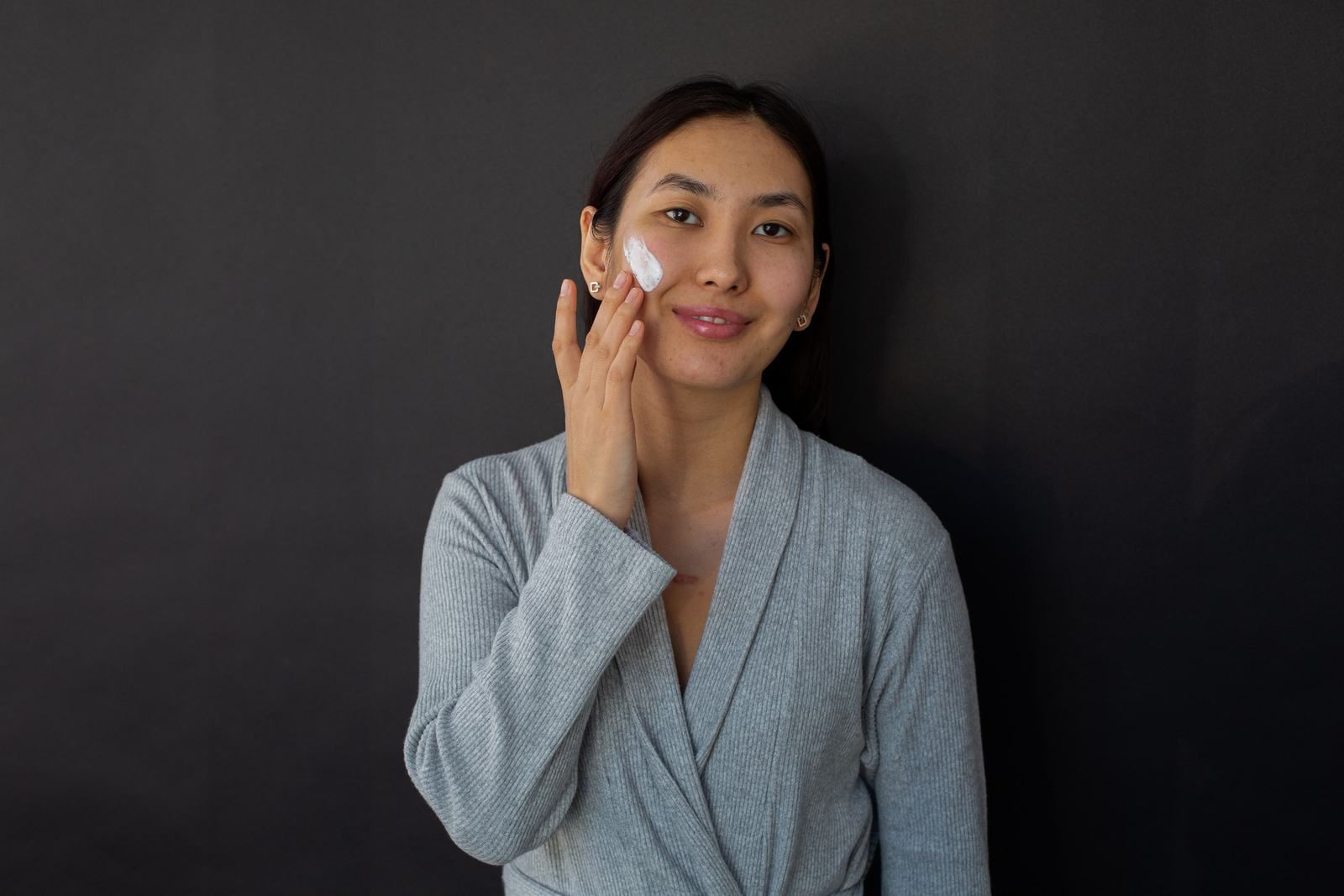
Most people have sunburn-like redness and mild swelling for the first few days, then some dryness or light flaking, with surface healing in about a week. Sources range from two to five days of redness and five to seven days of healing, and PRF and RF can differ, so your provider's instructions come first.
Microneedling healing stages follow a familiar arc: a sunburn-like flush, a few tender days, some dryness, then calm skin.
How long each stage lasts depends on more than the calendar. Reputable sources give different numbers for the same week, and standard, PRF and RF microneedling do not recover in exactly the same way. So this guide gives you the ranges, shows you where sources disagree, and leaves the final word to the aftercare sheet your provider hands you.
You will find an at-a-glance table, a day by day breakdown, a scrubber that shows each stage for each treatment type, a list of what is normal and what is worth a call, and what happens after the first week. The main sources are Cleveland Clinic, the American Academy of Dermatology and University of Utah Health.
Microneedling Healing Stages at a Glance
For most people the visible part of healing takes about a week, with redness and mild swelling in the first few days. Treat every number below as a range, because the sources describe different devices, needle depths and aftercare rules.
| Stage | What many people notice | Where it comes from |
|---|---|---|
| Treatment day | Flushed, warm, tight skin, like a sunburn. Some pinpoint bleeding is possible. | AAD, Utah Health, Cleveland Clinic |
| Days 1 to 3 | Redness and mild swelling, sometimes dryness or itching. | A 2016 peer-reviewed review says 2 to 3 days. Utah Health says about 3 days. |
| Days 3 to 5 | Skin may stay red and swollen up to five days. Dryness or flaking can appear. | Cleveland Clinic. The FDA lists dryness, rough skin, tightness and peeling as common. |
| Days 5 to 7 | Surface healing finishes. | Utah Health says 5 to 7 days. The AAD says a few days to a week. |
| Weeks 2 to 4 | Skin looks settled and improvement may begin. | AAD |
| Months 2 to 6 | Collagen keeps building toward full results. | Cleveland Clinic and the 2016 review say 3 to 6 months. |
Day by Day: What the First Week Usually Looks Like
Treatment day
Many people have a flushed, warm, tight face. The AAD says treated skin may feel sunburned, with minor discomfort, burning or swelling. Cleveland Clinic says an ice pack can ease irritation, and that deep microneedling might cause a little bleeding, so tiny spots of pinpoint bleeding are not unusual. The AAD says you can usually leave the office and go straight back to work or school, while the 2016 review says daily work can resume the next day. First-hours rules vary too. University of Utah Health tells patients to hold off on washing their face or applying products until the following morning.
Day 1
Redness and mild swelling often remain, and makeup timing is where the sources split. The AAD says wait 24 hours before applying makeup. Cleveland Clinic says most people can wear makeup the day after. Utah Health says wait two days. If your provider gave you a stricter or looser rule, follow your provider. The sources disagree because protocols do.
Days 2 and 3
This is when many people look calmer. The 2016 review in the Indian Dermatology Online Journal describes slight redness and swelling lasting two to three days, and Utah Health lists mild redness, swelling, dryness and itchy skin for about three days.
Days 4 and 5
Dryness or light flaking may show up as the redness fades. Cleveland Clinic says skin may stay red and swollen for up to five days, and that dry, flaking skin improves with moisturizer. The FDA lists dryness, rough skin, tightness and peeling among the common effects. No national source we read ties flaking to a particular day, so read "days three to five" as a common pattern rather than a rule.
Days 6 and 7
Surface healing is usually wrapping up. Utah Health says healing takes five to seven days, and the AAD says reactions such as redness, burning and swelling usually disappear within a few days to a week. Utah Health's list also asks for no direct sun for five to seven days and no vigorous exercise for seven days. Other sources are looser, so ask your provider which rule applies to you.
Weeks 2 to 4 and beyond
Skin looks settled, and results are only starting. The AAD says you may see improvement within a few weeks. If you are doing a series, the next session often lands in this window. Our guide to how many microneedling sessions you need covers how sources space them.
Ranges vary by device and depth. Every bar comes from a source named on the chart.
Sources: Cleveland Clinic, the AAD, University of Utah Health and a 2016 peer-reviewed review. Your provider's aftercare sheet comes first.
Find Your Day With the Healing Timeline Scrubber
Choose your treatment type, then move the slider to the stage you are in or want to know about. Each panel names its sources, shows how that treatment may differ, and has a second view for when to call. Nothing you select is saved or sent anywhere.
Healing timeline scrubber
Typical ranges from the sources above. Your provider's own instructions override anything here.
Standard, PRF and RF Microneedling: How Recovery Can Differ
Recovery follows the same general arc for all three, but the edges differ, and no single timeline is universal. Here is what each source set says and where we found no direct comparison.
Standard microneedling
The general sources above describe it best: a sunburn-like flush, red and swollen for as long as five days in Cleveland Clinic's account, and a week or so to finish healing. Needle depth is a big reason numbers vary. Cleveland Clinic notes that needle length on electric devices runs from 0.5 to 2 millimeters, and that longer needles go deeper.
PRF microneedling
A blood draw comes first, and the PRF is applied to the skin during the needling. The PRF microneedling page at Hideaway describes redness and a warm, tight feeling for a day or two, like a mild sunburn, with one to three days in its FAQ and most clients back to normal activities the same day. We found no source that compares PRF healing with standard microneedling healing directly, so treat that as one clinic's description, not a controlled comparison. Our guide to PRF vs PRP microneedling has a stricter aftercare routine for the first 48 hours, with no gym, sauna, hot shower or swimming. Follow the version your provider gives you.
RF microneedling (Scarlet RF)
Cleveland Clinic's RF page says skin is typically mildly red for around 24 hours, that most people can resume their routine within a day, and that pinpoint bleeding and slight bruising are possible. The Scarlet RF page at Hideaway describes redness and a warm, flushed feeling for a day or two, and asks you to avoid direct sun, hot showers, saunas, strenuous workouts and active skincare such as retinol or acid exfoliants for a few days.
RF carries one more thing worth knowing. In October 2025 the FDA issued a safety communication saying serious complications, including burns, scarring, fat loss, disfigurement and nerve damage, have been reported with certain uses of RF microneedling devices. It says its evaluation is ongoing. It advises seeing a licensed provider with training and experience, asking which devices they use, and seeking care from a licensed provider if a procedure leaves you with problems or concerns. That is a reason to call early, not a reason to panic.
Is This Normal? Healing Signs and When to Call
Redness, tightness, mild swelling, dryness and light flaking are common, and bleeding that lasts, blisters or swelling beyond a week are reasons to call. The FDA lists dryness, rough skin, tightness, redness, itching, peeling, discomfort, burning, bruising, bleeding and crusting among the common effects of authorized microneedling devices.
| Usually expected | Worth a call to your provider |
|---|---|
| Redness and warmth, like a sunburn | Bleeding for longer than 24 hours (Cleveland Clinic) |
| Tightness, dryness or a rough feel | Blistering (Cleveland Clinic) |
| Mild swelling in the first days | Swelling that lasts longer than a week (Cleveland Clinic) |
| Light flaking or peeling | A cold sore flare, swollen lymph nodes, color changes or signs of infection, which the FDA lists as less common risks |
| Itching or mild discomfort | Anything that is getting worse instead of better after the first few days |
We cannot diagnose from a description, and neither can an article. If you are unsure, a short call to your provider is the right move, and early is better than late.
What Helps and What to Skip While You Heal
A gentle routine and sun protection are the baseline the sources agree on, and a kit of special products is not required. Utah Health says to treat your skin as if you have a mild sunburn, cleanse with a mild cleanser and moisturize two to three times a day. Cleveland Clinic says dry, flaking skin improves with moisturizer and that you should stay out of the sun until your skin heals. The AAD says your dermatologist may recommend an aftercare cream, so use what your provider supplies.
Where sources split, the stricter rule is the one your own provider gave you. Makeup runs from 24 hours to two days. Exercise runs from a few days to seven days. Sun avoidance runs from "until healed" to five to seven days. That spread is a good reason to keep your aftercare sheet handy rather than relying on any list, including this one.
After Week One: The Longer Arc
Healing the surface is quick, and rebuilding collagen is slow. The AAD says full results usually take several months, and Cleveland Clinic and the 2016 review put the collagen window at about three to six months. That is why a skin that looks normal by day seven has not finished changing. It is also why "no results yet" in week two means little.
If you are weighing a course, our guide to how many microneedling sessions you need explains the spacing and when to judge. Maintenance is usually described as about once a year, according to the AAD and Cleveland Clinic.
- Most people see sunburn-like redness and mild swelling for a few days, with surface healing in about a week.
- Sources range from two to five days of redness and five to seven days of healing, so no single timeline is universal.
- Makeup, exercise and sun rules vary by source, so follow your provider's aftercare sheet first.
- Bleeding beyond 24 hours, blistering and swelling beyond a week are on Cleveland Clinic's call list.
- Collagen keeps building for about three to six months, so judge results late, not in week one.